Importance of Identifying Player Types
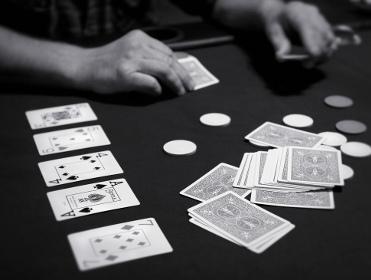
Very curious, or 'loose' players, tend to what to see as many flops as possible; where as more conservative, or 'tight' players, look to only enter hands with solid starting hand values.
Once you start getting to grips with what hands you should be playing, the second most important thing is to start to try and categorise your opponents. Human beings are creatures of habit, and as such, nearly always have some form of roughly predictable style of play in poker, and observing and adjusting to their particular style is crucial to success at the tables.
There are a few key areas that require special attention when you first sit, and here I want to look at the basic aspects of a players style that you should be looking out for.
1) Number of hands being played. Nearly all players have a particular number of hands that they feel comfortable playing. Very curious, or 'loose' players, tend to what to see as many flops as possible; where as more conservative, or 'tight' players, look to only enter hands with solid starting hand values. The best players tend to shift between these styles depending on the table dynamic. Generally, tight players will be playing stronger hands when they enter pots, and should be treated with more respect; where as loose players will be entering pots with many more marginal hands, and can be taken less seriously.
2) How these hands are played. The number of hands that someone plays is closely linked to how they play them. Some players tend to play their hands very aggressively, firing bets out at every opportunity; others play much more passively, tending to check call with even quite strong hands. Aggressive players are much more dangerous than passive players, as they will continuously put you to the test, and as such must be dealt with very differently to the passive player who hardly ever bets.
3) Ability to mix up play. Once you have started to get to grips with identifying players characteristics and styles in terms of how many hands they play and how they play them, the final thing to be looking for is a players propensity to change styles, or 'switch gears'. Good poker players have no one fixed style, and will adjust and readjust their starting hand requirements and aggression factor on the basis of those around them and the table dynamic. Poker is as much about identifying good players as it is about spotting bad ones, and finding the skilled players who can mix it up in a game will save you a lot of awkward decisions in the long run.
Although poker is a game based on the strength of cards, mostly it is just a game of people and personality. Identifying how people play, and in the areas of the most relevance to being able to exploit their weaknesses, is crucial to long term profitability.
Prices quoted in copy are correct at time of publication but liable to change.